Pain on the Inner Side of the Foot

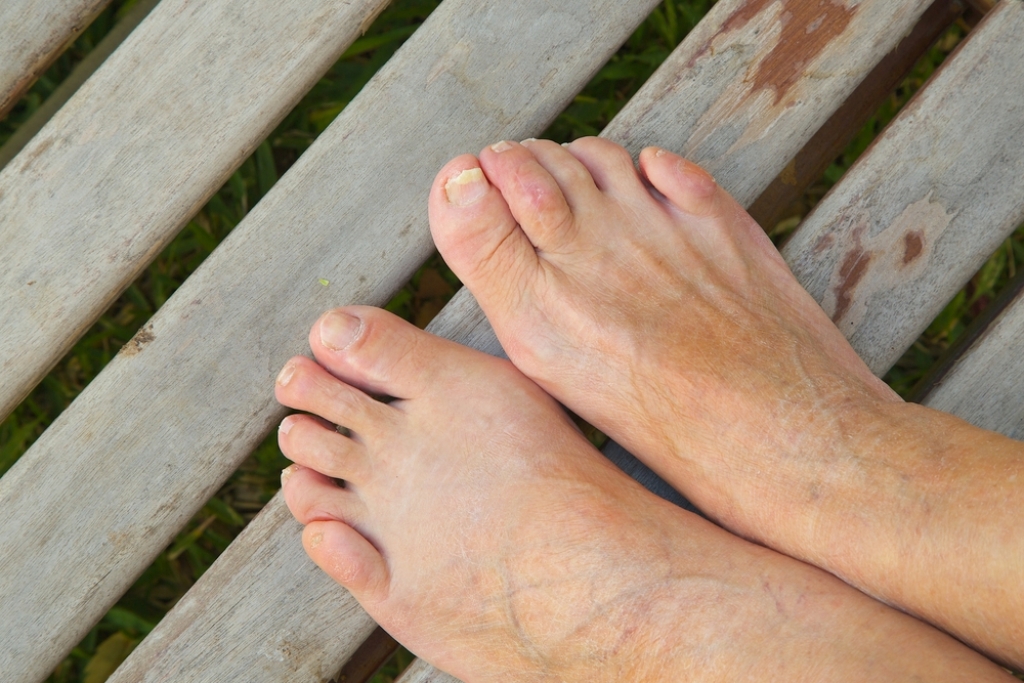
Pain on the inner side of the foot can develop from strain in the muscles and soft tissue that support the arch and big toe. This pain is often linked to overuse, flat feet, and poor arch support in shoes. Sudden increases in activity or direct injury to the foot are other factors. People who stand for long hours at work or spend more time walking and running may notice soreness, swelling, tenderness, or tingling in this area. Because inner foot pain can feel similar to plantar fasciitis or tendon problems, a proper diagnosis is important. A podiatrist can examine the foot, check the arch, test movement, and order X-rays or other imaging tests to determine the cause. Treatment options include custom orthotics, supportive bracing, medication for pain relief, or surgery, in more serious cases. If you have pain on the inner side of the foot, it is suggested that you schedule an appointment with a podiatrist for a diagnosis and appropriate treatment. 

Foot Pain

Foot pain can be extremely painful and debilitating. If you have a foot pain, consult with David Mansky, DPM from Mansky Podiatry. Our doctor will assess your condition and provide you with quality foot and ankle treatment.

Causes

Foot pain is a very broad condition that could be caused by one or more ailments. The most common include:

  • Bunions
  • Hammertoes
  • Plantar Fasciitis
  • Bone Spurs
  • Corns
  • Tarsal Tunnel Syndrome
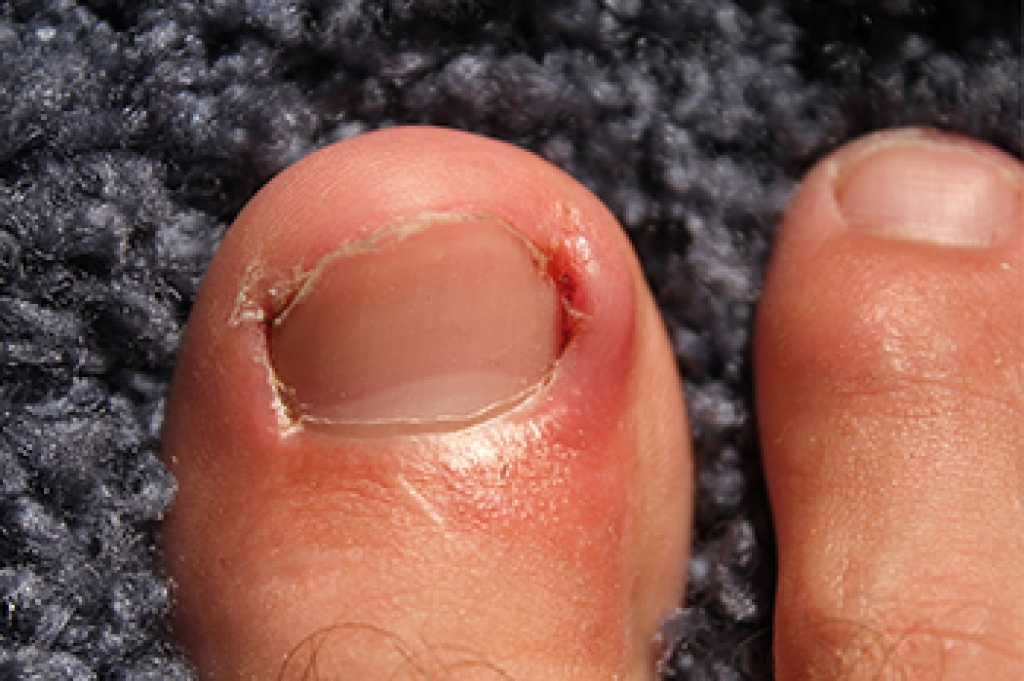
  • Ingrown Toenails
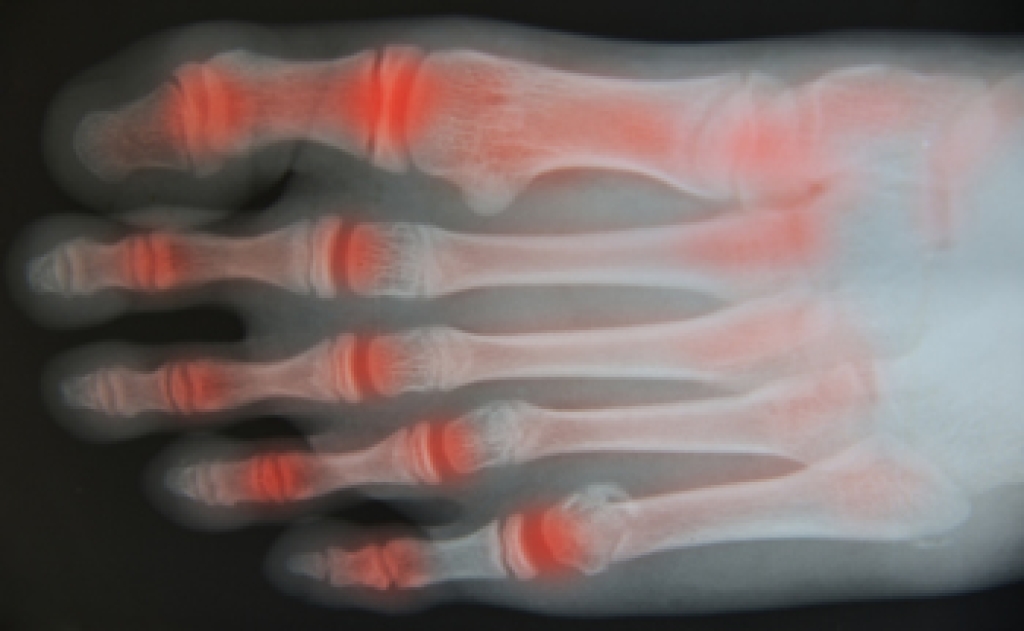
  • Arthritis (such as Gout, Rheumatoid, and Osteoarthritis)
  • Flat Feet
  • Injury (from stress fractures, broken toe, foot, ankle, Achilles tendon ruptures, and sprains)
  • And more

Diagnosis

To figure out the cause of foot pain, podiatrists utilize several different methods. This can range from simple visual inspections and sensation tests to X-rays and MRI scans. Prior medical history, family medical history, and any recent physical traumatic events will all be taken into consideration for a proper diagnosis.

Treatment

Treatment depends upon the cause of the foot pain. Whether it is resting, staying off the foot, or having surgery; podiatrists have a number of treatment options available for foot pain.

If you have any questions, please feel free to contact our office located in Hastings, MI . We offer the newest diagnostic and treatment technologies for all your foot care needs.

Read more about Foot Pain

Gout Pain Can Be Managed

Gout is a painful, inflammatory form of arthritis. Those affected will typically feel an intense stiffness in the joints of their feet, particularly in the big toe. Schedule a visit to learn about how gout can be managed and treated.

How Toe Deformities Can Disrupt Foot Mechanics and Increase Strain

A hammertoe occurs when one of the smaller toes bends abnormally at the middle joint, creating a curled or claw-like shape. While it may begin as a mild change, it can gradually affect how the entire foot functions. As the toe loses its normal position, pressure shifts to the ball of the foot, altering weight distribution with each step. This can place extra demand on surrounding joints, tendons, and muscles, leading to compensation patterns in walking. Over time, these changes can increase tension along the sole of the foot, particularly in the plantar fascia, the band of tissue that supports the arch. As strain builds, discomfort may extend beyond the toes into the heel or ankle. Without proper management, the condition can worsen and impact overall mobility. If you have a hammertoe, it is suggested that you seek early care and guidance from a podiatrist who can help restore balance and reduce ongoing foot stress.

Hammertoes can be a painful condition to live with. For more information, contact David Mansky, DPM of Mansky Podiatry. Our doctor will answer any of your foot- and ankle-related questions.

Hammertoe

Hammertoe is a foot deformity that occurs due to an imbalance in the muscles, tendons, or ligaments that normally hold the toe straight. It can be caused by the type of shoes you wear, your foot structure, trauma, and certain disease processes.

Symptoms

  • Painful and/or difficult toe movement
  • Swelling
  • Joint stiffness
  • Calluses/Corns
  • Physical deformity

Risk Factors

  • Age – The risk of hammertoe increases with age
  • Sex – Women are more likely to have hammertoe compared to men
  • Toe Length – You are more likely to develop hammertoe if your second toe is longer than your big toe
  • Certain Diseases – Arthritis and diabetes may make you more likely to develop hammertoe

Treatment

If you have hammertoe, you should change into a more comfortable shoe that provides enough room for your toes. Exercises such as picking up marbles may strengthen and stretch your toe muscles. Nevertheless, it is important to seek assistance from a podiatrist in order to determine the severity of your hammertoe and see which treatment option will work best for you.

If you have any questions, please feel free to contact our office located in Hastings, MI . We offer the newest diagnostic and treatment technologies for all your foot care needs.

Read more about What Are Hammertoes?

Connect With Us