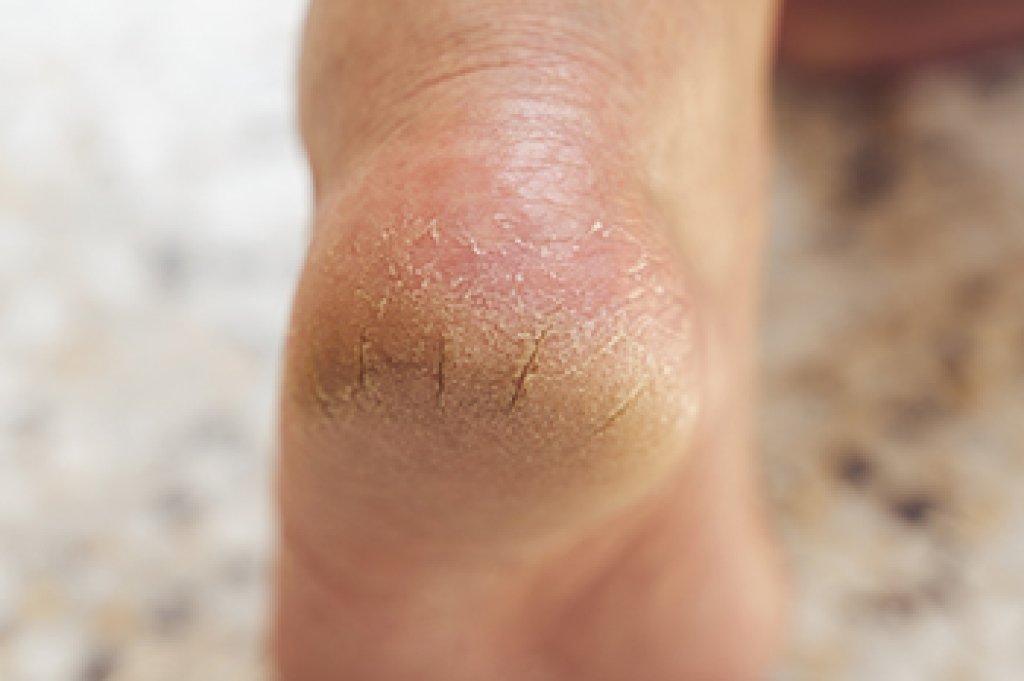
Cracked heels can range from a cosmetic concern to a source of significant discomfort. Also known as heel fissures, cracked heels develop when the skin surrounding the heel becomes dry, thickened, and less flexible. As pressure is placed on the heel during standing and walking, the skin may split and form visible cracks. In mild cases, cracked heels may cause little discomfort. However, deeper cracks can lead to pain, especially during daily activities. Some individuals may also notice rough skin, flaking, or tenderness around the affected area. Because the feet support the body's weight throughout the day, heel problems can quickly interfere with comfort and mobility.
Several factors can contribute to cracked heels. Dry skin is one of the most common causes, but age, prolonged standing, and certain medical conditions may also increase the risk. Excess pressure on the heels can cause the skin to expand outward, making it more likely to crack. In some cases, the skin becomes so thick and dry that deeper fissures develop. These cracks can become painful and may make walking difficult. If left unaddressed, severe cracks can increase the risk of infection, particularly when the skin barrier is damaged. Early evaluation is important for identifying contributing factors and preventing the condition from worsening.
Podiatric care can help address cracked heels by evaluating the condition of the skin and identifying underlying causes. A podiatrist can assess the severity of the cracks and determine whether additional foot-related issues are contributing to the problem. Professional treatment may help reduce discomfort, improve skin health, and support normal foot function. Because cracked heels can become increasingly painful, seeking care before complications develop is often beneficial. Maintaining healthy feet is important for overall mobility and quality of life. If you have pain from cracked heels, it is suggested that you consult a podiatrist for an evaluation and appropriate treatment options.
If the skin on your feet starts to crack, you may want to see a podiatrist to find treatment. If you have any concerns, contact David Mansky, DPM from Mansky Podiatry. Our doctor can provide the care you need to keep you pain-free and on your feet.
Cracked Heels
It is important to moisturize your cracked heels in order to prevent pain, bleeding, and infection. The reason cracked heels form is because the skin on the foot is too dry to support the immense pressure placed on them. When the foot expands, the dry skin on the foot begins to split.
Ways to Help Heal Them
- Invest in a good foot cream
- Try Using Petroleum Jelly
- Ease up on Soaps
- Drink Plenty of Water
Ways to Prevent Cracked Heels
- Moisturize After Showering
- Skip a Shower
- Keep Shower Water Lukewarm
- Don’t Scrub Your Feet
If you are unsure how to proceed in treating cracked heels, seek guidance from a podiatrist. Your doctor will help you with any questions or information you may need.
If you have any questions, please feel free to contact our office located in Hastings, MI . We offer the newest diagnostic and treatment technologies for all your foot care needs.