
Connect With Us

Morton’s neuroma is a painful condition that most often affects a nerve between the third and fourth toes, and it develops from repeated pressure or irritation. It may not always be visible, but the area can appear slightly swollen, and patients often describe a burning, tingling, or stabbing sensation and feeling like they are walking on a pebble. Causes include tight footwear, high heels, foot deformities, or activities that place stress on the forefoot. Symptoms may worsen with standing or walking and ease when shoes are removed. A podiatrist begins with a thorough exam and orders imaging if needed to confirm the diagnosis and rule out other problems. Treatment may include footwear changes, custom orthotics to reduce pressure, and targeted therapies, such as injections or exercises. Early care can prevent progression and improve comfort. If you suspect you have Morton’s neuroma, it is suggested that you make an appointment with a podiatrist.
Morton’s neuroma is a very uncomfortable condition to live with. If you think you have Morton’s neuroma, contact David Mansky, DPM of Mansky Podiatry. Our doctor will attend to all of your foot care needs and answer any of your related questions.
Morton’s Neuroma
Morton's neuroma is a painful foot condition that commonly affects the areas between the second and third or third and fourth toe, although other areas of the foot are also susceptible. Morton’s neuroma is caused by an inflamed nerve in the foot that is being squeezed and aggravated by surrounding bones.
What Increases the Chances of Having Morton’s Neuroma?
Morton’s neuroma is a very treatable condition. Orthotics and shoe inserts can often be used to alleviate the pain on the forefront of the feet. In more severe cases, corticosteroids can also be prescribed. In order to figure out the best treatment for your neuroma, it’s recommended to seek the care of a podiatrist who can diagnose your condition and provide different treatment options.
If you have any questions, please feel free to contact our office located in Hastings, MI . We offer the newest diagnostic and treatment technologies for all your foot care needs.


Ingrown toenails occur when the edge of a nail grows into the surrounding skin instead of over it, most commonly affecting the big toe. The toe may look red, swollen, or shiny, and in more advanced cases there may be drainage, infection, or excess skin along the nail border. It often feels tender at first, then progresses to sharp pain, throbbing, warmth, and discomfort when walking or wearing shoes. Causes include improper nail trimming, tight or narrow footwear, toe injuries, and genetic factors. A podiatrist can help from the start by diagnosing the condition and determining whether infection or other complications are present. Initial treatment may include relieving pressure, reducing inflammation, and proper nail care. If necessary, care can then move to in-office procedures to remove the ingrown portion of the nail, along with education to prevent recurrence. Prompt care helps restore comfort and foot health. If you have a painful ingrown toenail, it is suggested that you make an appointment with a podiatrist.
Ingrown toenails may initially present themselves as a minor discomfort, but they may progress into an infection in the skin without proper treatment. For more information about ingrown toenails, contact David Mansky, DPM of Mansky Podiatry. Our doctor can provide the care you need to keep you pain-free and on your feet.
Ingrown Toenails
Ingrown toenails are caused when the corner or side of a toenail grows into the soft flesh surrounding it. They often result in redness, swelling, pain, and in some cases, infection. This condition typically affects the big toe and may recur if it is not treated properly.
Causes
You are more likely to develop an ingrown toenail if you are obese, have diabetes, arthritis, or have any fungal infection in your nails. Additionally, people who have foot or toe deformities are at a higher risk of developing an ingrown toenail.
Symptoms
Some symptoms of ingrown toenails are redness, swelling, and pain. In rare cases, there may be a yellowish drainage coming from the nail.
Treatment
Ignoring an ingrown toenail can have serious complications. Infections of the nail border can progress to a deeper soft-tissue infection, which can then turn into a bone infection. You should always speak with your podiatrist if you suspect you have an ingrown toenail, especially if you have diabetes or poor circulation.
If you have any questions, please feel free to contact our office located in Hastings, MI . We offer the newest diagnostic and treatment technologies for all your foot care needs.

As people age, gradual changes in foot structure can lead to discomfort and reduced mobility in the feet and ankles. Loss of natural padding on the soles, joint stiffness, reduced muscle strength, and flattening of the arches can place added stress on bones and soft tissue. Problems that develop over time include arthritis in the many joints of the feet, bunions that shift toe alignment, and hammertoes. Corns, calluses, fungal nail problems, heel pain, and acquired flatfoot caused by weakened tendons may also arise. These issues can affect balance and walking patterns, increasing strain on the feet during daily activity as well as the risk of falls. A podiatrist can evaluate changes in alignment, joint motion, skin health, and circulation. This foot doctor may then recommend appropriate treatment or surgery, when needed, to address long-term problems and protect foot function. If you are an older adult experiencing foot problems, it is suggested that you make an appointment with a podiatrist for a diagnosis and options for advanced treatment.
Proper foot care is something many older adults forget to consider. If you have any concerns about your feet and ankles, contact David Mansky, DPM from Mansky Podiatry. Our doctor can provide the care you need to keep you pain-free and on your feet.
The Elderly and Their Feet
As we age we start to notice many changes in our body, but the elder population may not notice them right away. Medical conditions may prevent the elderly to take notice of their foot health right away. Poor vision is a lead contributor to not taking action for the elderly.
Common Conditions
Susceptible Infections
Diabetes and poor circulation can cause general loss of sensitivity over the years, turning a simple cut into a serious issue.
If you have any questions, please feel free to contact our office located in Hastings, MI . We offer the newest diagnostic and treatment technologies for all your foot care needs.
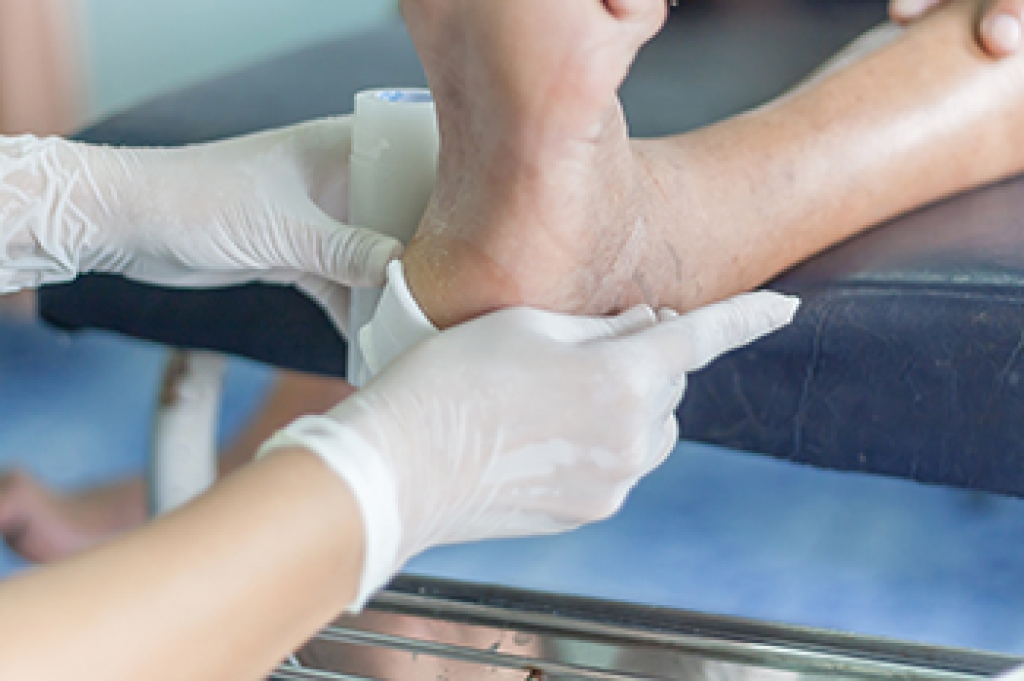
Diabetic amyotrophy is a rare nerve and muscle condition linked to diabetes that mainly affects the hips, thighs, and legs. Unlike diabetic neuropathy, it involves sudden nerve inflammation and rapid muscle weakness rather than a slow loss of feeling in the feet. Symptoms often include severe pain, increasing weakness, and areas of numbness, along with unexpected stomach pain and noticeable weight loss. As the condition progresses, some individuals may develop foot drop, which is difficulty lifting the front of the foot while walking. Foot drop can disrupt gait, reduce balance, and increase the risk of tripping or falling. Recovery can be gradual and usually requires coordinated medical care. A podiatrist can help by monitoring lower limb strength, evaluating walking patterns, improving foot and ankle stability, and recommending supportive footwear or bracing. If you have diabetes and experience sudden foot weakness, pain, or mobility changes, it is suggested that you consult a podiatrist who can help you to manage this condition.
Diabetic foot care is important in preventing foot ailments such as ulcers. If you are suffering from diabetes or have any other concerns about your feet, contact David Mansky, DPM from Mansky Podiatry. Our doctor can provide the care you need to keep you pain-free and on your feet.
Diabetic Foot Care
Diabetes affects millions of people every year. The condition can damage blood vessels in many parts of the body, especially the feet. Because of this, taking care of your feet is essential if you have diabetes, and having a podiatrist help monitor your foot health is highly recommended.
The Importance of Caring for Your Feet
Patients with diabetes should have their doctor monitor their blood levels, as blood sugar levels play such a huge role in diabetic care. Monitoring these levels on a regular basis is highly advised.
It is always best to inform your healthcare professional of any concerns you may have regarding your feet, especially for diabetic patients. Early treatment and routine foot examinations are keys to maintaining proper health, especially because severe complications can arise if proper treatment is not applied.
If you have any questions, please feel free to contact our office located in Hastings, MI . We offer the newest diagnostic and treatment technologies for all your foot care needs.
Connect With Us