Definition of a Podiatrist

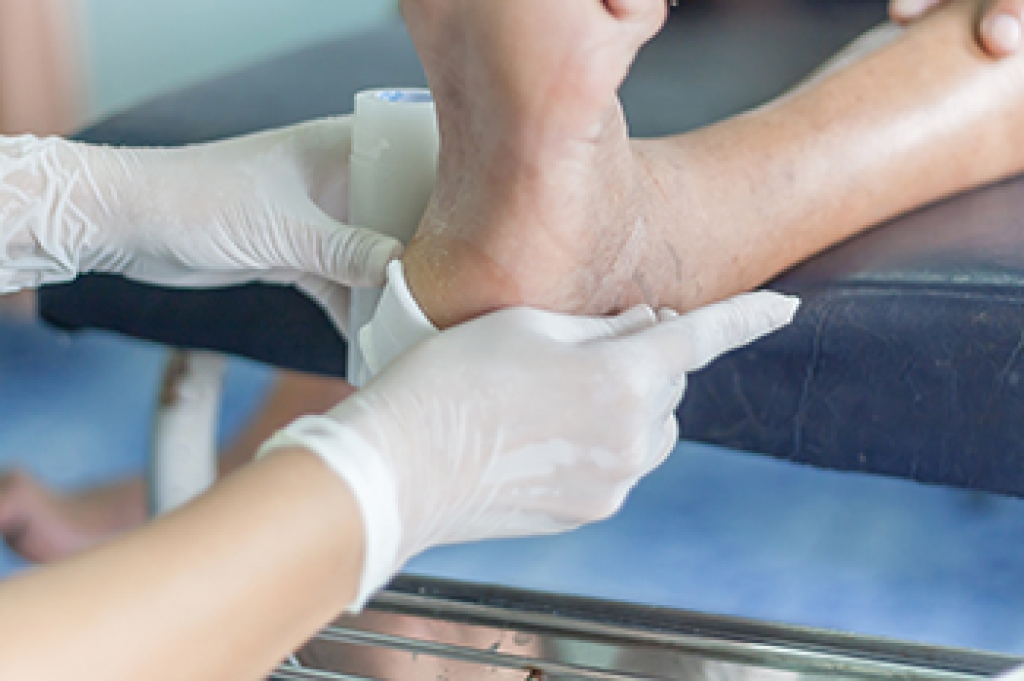
A podiatrist is a medical specialist who focuses on diagnosing and treating conditions of the foot and ankle. They care for issues such as heel pain, bunions, ingrown nails, sprains, fractures, and diabetic foot problems. Preparing for your first visit helps ensure a smooth experience. Bring a list of symptoms, a list of medications, any recent lab results, and check with your insurance company to confirm coverage. A podiatrist will examine your feet, discuss your concerns, and create a treatment plan that supports comfort, mobility, and long-term wellness. If you have ongoing foot pain, it is suggested that you schedule an appointment with a podiatrist who can offer effective relief and treatment solutions for various foot and ankle conditions.

If you are experiencing pain in the feet or ankles, don’t join the stubborn majority refusing treatment. Feel free to contact David Mansky, DPM from Mansky Podiatry. Our doctor can provide the care you need to keep you pain-free and on your feet.

What Is a Podiatrist?

Someone would seek the care of a podiatrist if they have suffered a foot injury or have common foot ailments such as heal spurs, bunions, arch problems, deformities, ingrown toenails, corns, foot and ankle problems, etc.

Podiatric Treatment

A podiatrist will treat the problematic areas of the feet, ankle or lower leg by prescribing the following:

  • Physical therapy
  • Drugs
  • Orthotic inserts or soles
  • Surgery on lower extremity fractures

A common podiatric procedure a podiatrist will use is a scanner or force plate which will allow the podiatrist to know the designs of orthotics. Patients are then told to follow a series of tasks to complete the treatment. The computer will scan the foot a see which areas show weight distribution and pressure points. The podiatrist will read the analysis and then determine which treatment plans are available.

If you have any questions, please feel free to contact our office located in Hastings, MI . We offer the newest diagnostic and treatment technologies for all your foot care needs.

Read more about What is a Podiatrist?

When Foot Pain Strikes Along the Outer Edge

Discomfort along the outer edge of the foot can make every step challenging. This pain often develops from repetitive strain, minor injuries, or an imbalance in how weight is distributed while walking. Overstretching or inflammation of the tendons on the side of the foot is common, but sometimes a stress fracture or joint irritation is to blame. Wearing narrow or unsupportive shoes can also add pressure to the area and worsen symptoms. A podiatrist begins by identifying the exact cause through examination and imaging, if needed, then designs a treatment plan that may include rest, supportive footwear, or custom orthotics to ease tension and promote healing. Addressing the issue early helps prevent chronic discomfort. If you have persistent pain on the side of the foot, it is suggested that you schedule an appointment with a podiatrist for an evaluation and appropriate treatment.

Foot Pain

Foot pain can be extremely painful and debilitating. If you have a foot pain, consult with David Mansky, DPM from Mansky Podiatry. Our doctor will assess your condition and provide you with quality foot and ankle treatment.

Causes

Foot pain is a very broad condition that could be caused by one or more ailments. The most common include:

  • Bunions
  • Hammertoes
  • Plantar Fasciitis
  • Bone Spurs
  • Corns
  • Tarsal Tunnel Syndrome
  • Ingrown Toenails
  • Arthritis (such as Gout, Rheumatoid, and Osteoarthritis)
  • Flat Feet
  • Injury (from stress fractures, broken toe, foot, ankle, Achilles tendon ruptures, and sprains)
  • And more

Diagnosis

To figure out the cause of foot pain, podiatrists utilize several different methods. This can range from simple visual inspections and sensation tests to X-rays and MRI scans. Prior medical history, family medical history, and any recent physical traumatic events will all be taken into consideration for a proper diagnosis.

Treatment

Treatment depends upon the cause of the foot pain. Whether it is resting, staying off the foot, or having surgery; podiatrists have a number of treatment options available for foot pain.

If you have any questions, please feel free to contact our office located in Hastings, MI . We offer the newest diagnostic and treatment technologies for all your foot care needs.

Read more about Foot Pain

Fighting Athlete’s Foot for Healthier Skin

Athlete’s foot, also known as tinea pedis, is a common fungal infection that affects the skin on the feet, particularly between the toes. It thrives in warm, moist environments such as locker rooms, showers, and sweaty shoes. Symptoms often include itching, burning, redness, and peeling skin. In some cases, blisters or cracks may form, causing pain or discomfort when walking. The infection may also cause a strong odor and can spread to the toenails or other parts of the body if left untreated. A podiatrist can diagnose athlete’s foot through a physical examination and, if needed, laboratory testing to identify the specific fungus. Treatment may involve antifungal creams, powders, oral medication, and guidance on proper foot hygiene and footwear choices. Early treatment helps prevent the infection from spreading and recurring. It is suggested that you make an appointment with a podiatrist to receive professional care and effective treatment for athlete’s foot. 

Athlete’s Foot

Athlete’s foot is often an uncomfortable condition to experience. Thankfully, podiatrists specialize in treating athlete’s foot and offer the best treatment options. If you have any questions about athlete’s foot, consult with David Mansky, DPM from Mansky Podiatry. Our doctor will assess your condition and provide you with quality treatment.

What Is Athlete’s Foot?

Tinea pedis, more commonly known as athlete’s foot, is a non-serious and common fungal infection of the foot. Athlete’s foot is contagious and can be contracted by touching someone who has it or infected surfaces. The most common places contaminated by it are public showers, locker rooms, and swimming pools. Once contracted, it grows on feet that are left inside moist, dark, and warm shoes and socks.

Prevention

The most effective ways to prevent athlete’s foot include:

  • Thoroughly washing and drying feet
  • Avoid going barefoot in locker rooms and public showers
  • Using shower shoes in public showers
  • Wearing socks that allow the feet to breathe
  • Changing socks and shoes frequently if you sweat a lot

Symptoms

Athlete’s foot initially occurs as a rash between the toes. However, if left undiagnosed, it can spread to the sides and bottom of the feet, toenails, and if touched by hand, the hands themselves. Symptoms include:

  • Redness
  • Burning
  • Itching
  • Scaly and peeling skin

Diagnosis and Treatment

Diagnosis is quick and easy. Skin samples will be taken and either viewed under a microscope or sent to a lab for testing. Sometimes, a podiatrist can diagnose it based on simply looking at it. Once confirmed, treatment options include oral and topical antifungal medications.

If you have any questions, please feel free to contact our office located in Hastings, MI . We offer the newest diagnostic and treatment technologies for all your foot care needs.

Read more about Athlete's Foot

Understanding Sever's Disease

Sever's disease, also known as calcaneal apophysitis, is a common cause of heel pain in growing children and adolescents, particularly those involved in sports like running or basketball. It occurs when the growth plate in the heel or calcaneus becomes irritated or inflamed due to repetitive stress, often worsened by activities that involve running or jumping. The main symptoms of Sever's disease include heel pain, tenderness, and swelling at the back of the heel, especially after physical activity. Children may also limp or complain of discomfort when walking or standing for long periods. Treatment typically focuses on relieving pain and reducing inflammation. This may include stretching exercises for the Achilles tendon. Custom orthotics or heel pads can also help reduce pressure on the heel. In severe cases, a podiatrist may recommend a period of restricted activity. If your child is dealing with this condition, it is suggested that you make an appointment with a podiatrist.

Sever's disease often occurs in children and teens. If your child is experiencing foot or ankle pain, see David Mansky, DPM from Mansky Podiatry. Our doctor can treat your child’s foot and ankle needs.

Sever’s Disease

Sever’s disease is also known as calcaneal apophysitis, which is a medical condition that causes heel pain I none or both feet. The disease is known to affect children between the ages of 8 and 14.

Sever’s disease occurs when part of the child’s heel known as the growth plate (calcaneal epiphysis) is attached to the Achilles tendon. This area can suffer injury when the muscles and tendons of the growing foot do not keep pace with bone growth. Therefore, the constant pain which one experiences at the back of the heel will make the child unable to put any weight on the heel. The child is then forced to walk on their toes.

Symptoms

Acute pain – Pain associated with Sever’s disease is usually felt in the heel when the child engages in physical activity such as walking, jumping and or running.

Highly active – Children who are very active are among the most susceptible in experiencing Sever’s disease, because of the stress and tension placed on their feet.

If you have any questions, please feel free to contact our office located in Hastings, MI . We offer the newest diagnostic and treatment technologies for all your foot care needs.

Read more about Sever's Disease

We Can Treat Your Foot or Ankle Pain

Foot or ankle pain can negatively affect your day-to-day life and can occur due to several different conditions. Pain can also be an indicator of a more serious underlying condition, which is why you should seek professional help as soon as you notice any abnormalities in your feet.

Connect With Us